
Elementor #1735
Top 10 AI Tools for Video Editing in 2026
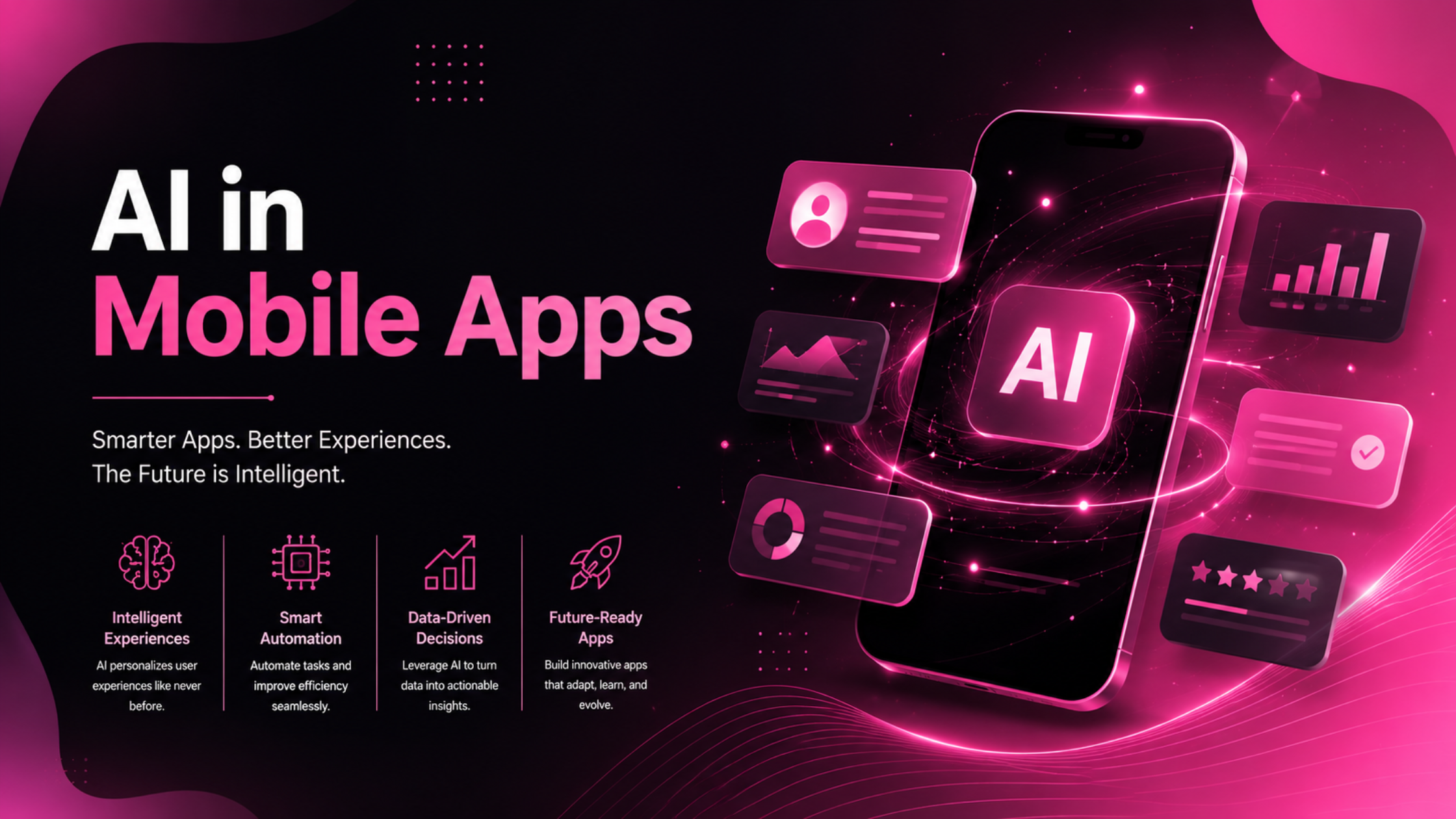
Artificial Intelligence has become one of the most influential technologies in mobile app development. Today, mobile applications are no longer limited to basic functions. Instead, they use AI-powered features to provide personalized experiences, improve security, and enhance overall performance. As smartphones continue to play a central role in everyday life, AI is helping mobile apps become smarter, faster, and more efficient.
Moreover, businesses are increasingly integrating AI into their mobile applications to meet growing user expectations. From virtual assistants and recommendation systems to predictive analytics and chatbots, AI is transforming the mobile app industry. As a result, users enjoy more engaging and convenient experiences while businesses benefit from improved customer satisfaction and higher retention rates.
In this article, we will explore how AI is revolutionizing mobile applications, its key benefits, and why AI mobile app technology is becoming essential in 2026.
Artificial Intelligence enables mobile applications to learn from user behavior, analyze data, and make intelligent decisions. Unlike traditional apps that follow fixed programming rules, AI-powered apps continuously improve their performance through machine learning algorithms.
Initially, mobile applications were designed to perform simple tasks. However, advancements in AI have expanded their capabilities significantly. Consequently, modern apps can recognize speech, understand user preferences, and provide personalized recommendations.
Furthermore, AI technologies help mobile apps adapt to changing user needs. Therefore, users receive more relevant and customized experiences every time they interact with an application.
Artificial Intelligence is changing the way mobile apps function and interact with users. As technology advances, AI-powered features are becoming increasingly common across various categories of applications.
Personalization is one of the most important benefits of AI in mobile apps. AI analyzes user behavior, preferences, and activity patterns to deliver customized experiences.
For example, streaming platforms recommend content based on viewing history, while shopping apps suggest products that match customer interests. Moreover, AI continuously learns from user interactions to improve recommendation accuracy.
As a result, users receive content and services that align with their preferences. Therefore, engagement and satisfaction levels increase significantly.
Virtual assistants have become a popular feature in modern mobile applications. AI-powered assistants help users perform tasks through voice commands and natural language interactions.
Furthermore, these assistants can answer questions, set reminders, manage schedules, and provide useful information instantly. Consequently, users can complete tasks more efficiently without navigating multiple menus.
As a result, mobile applications become more user-friendly and convenient.
Predictive analytics is another powerful application of AI mobile app technology. AI systems analyze historical and real-time data to predict future user behavior.
Moreover, businesses use predictive analytics to understand customer needs and optimize app performance. Therefore, organizations can make informed decisions that improve user experiences and business outcomes.
Consequently, predictive insights help mobile apps become more proactive and effective.
Security remains a major concern for both businesses and users. Fortunately, Artificial Intelligence is helping mobile applications become more secure.
AI-powered security systems can detect unusual activities, identify potential threats, and prevent unauthorized access. Furthermore, technologies such as facial recognition and biometric authentication provide additional layers of protection.
As a result, users can access applications with greater confidence. Moreover, businesses can reduce security risks and protect sensitive customer information.
Therefore, AI plays a crucial role in strengthening mobile app security.
Customer support has improved significantly due to AI-powered chatbots. Mobile apps now use intelligent chatbots to answer questions, resolve issues, and guide users through various processes.
Furthermore, chatbots operate around the clock, ensuring that users receive assistance whenever they need it. Consequently, businesses can improve customer service without increasing operational costs.
Additionally, AI chatbots learn from previous interactions and continuously improve their responses. Therefore, customer experiences become more efficient and personalized over time.
The gaming industry is one of the biggest adopters of Artificial Intelligence. AI enhances gaming experiences by creating intelligent characters, realistic environments, and adaptive gameplay.
Moreover, AI can analyze player behavior and adjust game difficulty levels accordingly. As a result, players enjoy more engaging and personalized gaming experiences.
Furthermore, developers use AI to improve game design and optimize performance. Consequently, mobile gaming continues to evolve and attract larger audiences.
The adoption of AI in mobile apps provides numerous advantages for businesses and users alike.
One major benefit is improved user engagement. AI-powered personalization keeps users interested by delivering relevant content and recommendations. As a result, users spend more time interacting with applications.
Another important advantage is increased efficiency. AI automates many tasks that would otherwise require manual effort. Consequently, both users and businesses save valuable time.
Moreover, AI supports better decision-making by analyzing data and providing actionable insights. Therefore, organizations can improve app performance and customer satisfaction.
Additionally, AI contributes to stronger security measures and enhanced customer support. As a result, businesses can build trust and maintain long-term relationships with users.
Although AI offers many benefits, implementing AI-powered features can present challenges. Businesses often need access to large amounts of quality data to train AI systems effectively.
Furthermore, privacy concerns require organizations to handle user information responsibly and comply with data protection regulations. Consequently, developers must prioritize transparency and security when building AI-powered applications.
However, despite these challenges, the advantages of AI continue to outweigh the difficulties. Therefore, businesses are increasingly investing in AI-driven mobile solutions.
The future of mobile applications is closely linked to Artificial Intelligence. As AI technologies continue to evolve, mobile apps will become even more intelligent and capable.
Moreover, advancements in machine learning, voice recognition, and predictive analytics will enable developers to create highly personalized user experiences. As a result, mobile applications will become more adaptive and responsive to individual needs.
Furthermore, businesses will continue to discover new ways to use AI to improve customer engagement, automate processes, and drive innovation. Therefore, AI mobile app technology will remain a major force shaping the future of mobile development.
Best 5 AI Tools for Content Writing in 2026